
Fake perfumes are gaining ground, and it’s not just about trying to snag a bargain. There’s a bigger picture at play here. The global economic shifts and the high demand for luxury scents fuel the rise of counterfeit products. While these fake fragrances might save some cash initially, there’s a whole industry that’s profiting at the cost of both consumers and real brands.
Let’s get real about what separates the genuine from the fake. Real perfumes go through rigorous quality checks, ensuring that every spritz delivers what it promises. With fakes, you’re playing a guessing game. The scent might be close, but the ingredients often aren’t, and that’s where things can get a little sketchy. Understanding the nuances between the two can keep you ahead in knowing what you’re purchasing.
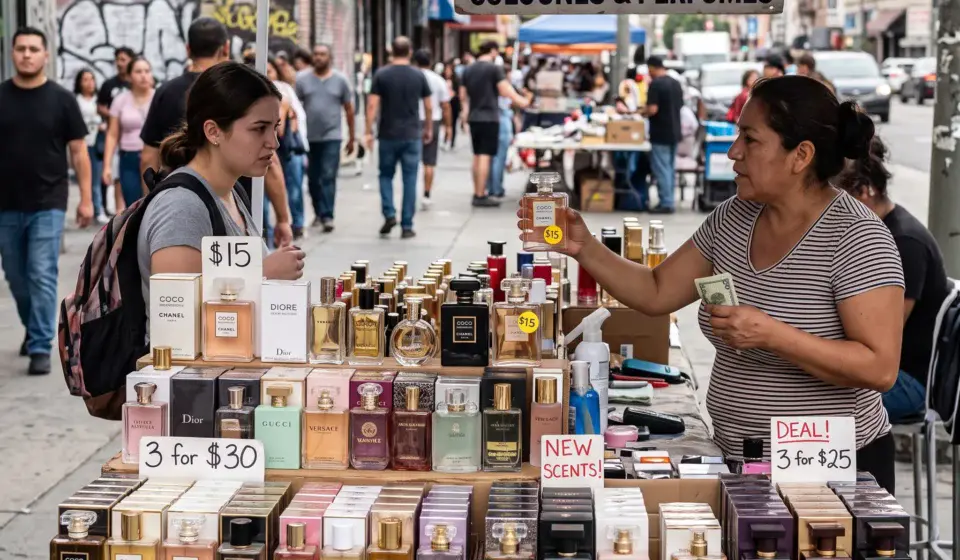
Counterfeiters don’t just pop up out of nowhere; they have their own twisted marketing and distribution networks. Whether it’s through online marketplaces or street vendors, fake perfumes find their way into consumers’ hands through clever tactics. Once you start peeling back the layers, you see how these duplicities operate beneath the surface, often outpacing the measures aimed to stop them.
Authorities are hustling to clamp down on this surge of counterfeits. Governments, law enforcement, and even the brands themselves are in an ongoing battle to stamp out these fakes. Cutting through red tape and tightening regulations, they’re deploying every tool they can think of to throw a wrench into counterfeit operations.
Economic Impact on American Markets
The financial hit from fake perfumes isn’t just a wallet issue for big brands, it’s an overarching problem that sends ripples across the entire market. These counterfeit goods divert revenue away from legitimate distributors and manufacturers, putting a real strain on businesses that play by the rules. When real-deal companies lose out, job cuts and decreased economic growth often follow.
A key driver behind why some consumers go for fake products is cost, plain and simple. With sky-high prices on authentic luxury items, consumers looking for similar scents at a fraction of the cost can find themselves tempted. But that short-term saving comes with broader consequences, including supporting an industry that undercuts the value and reputation of genuine products.
The impact isn’t just confined to the borders. These counterfeits have a way of souring trade relationships between the U.S. and other countries. Trading partners might be less keen to engage when counterfeits run rampant, potentially destabilizing certain aspects of international economic relations.
Brand loyalty takes a huge hit too. When consumers unknowingly buy fakes that fail to deliver, they lose trust not just in the vendor, but often in the brand as well. Competitiveness in the market can take a nosedive when counterfeits tarnish the reputation of legitimate products, creating hurdles for brands trying to maintain consumer trust and loyalty.
Health and Safety Concerns Related to Fake Perfumes
Using fake perfumes isn’t just a money matter, it’s a whole bag of health risks you’re opening up. Genuine perfumes undergo stringent safety evaluations to make sure they’re safe for use, unlike the counterfeit variations. These fakes often don’t meet legitimate safety standards. They might cut corners with low-grade ingredients, which could lead to skin irritation or even worse allergic reactions.
It’s kinda scary to think about how these counterfeit fragrances manage to dodge safety checks. Without strict regulation, anything could be sitting in that pretty bottle — from contaminants to outright toxic substances. When you put this in context, the savings might not justify the potential health problems.
Real-life stories splash across the news every now and then about individuals who’ve had adverse reactions to counterfeit products. It’s a bad scene, with some cases leading to serious long-term effects. Knowing these risks, taking steps to steer clear of fake perfumes becomes essential for your health.
Keeping safe isn’t rocket science, but it does require a proactive approach. Stick to buying from trusted sources and retailers to ensure what you purchase has passed the necessary health checks. Educate yourself about what to look for in authentic products, ensuring what you buy is the real deal and safe to use.
Ways Consumers and Retailers Can Identify and Avoid Counterfeits
Spotting fake perfumes isn’t always easy, but you’re not totally powerless here. There are plenty of tools and techniques out there to help tell the fakes from the genuine articles. Checking for things like packaging inconsistencies, misspellings, or suspiciously low prices can tip you off that what you’re looking at might not be legit.
Technology plays a massive role in authentication these days. Brands are rolling out sophisticated measures like QR codes and advanced labeling that can verify a product’s authenticity with just a smartphone scan. Embracing these tools makes it much easier for consumers to safeguard themselves against falling for counterfeit traps.
Knowing the traits of authentic products is also a major plus. Even simple stuff like the design of the packaging or the feel of the bottle can signal whether you’re dealing with the real thing or not. Taking the time to brush up on these details can pay off big time.
Retailers carry a responsibility too. Keeping supply chains clean and ensuring that only verified products make it to the shelves is a crucial step. Partnering with trusted suppliers and performing thorough checks can prevent counterfeit perfumes from ever reaching consumers, keeping the market cleaner and safer for everyone involved.