
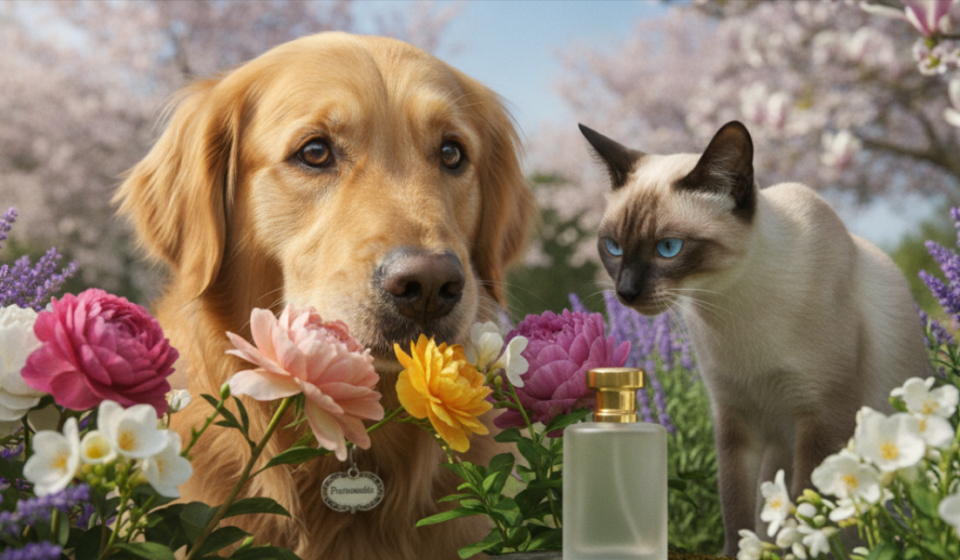

My Dog Has Better Sense Of Smell Than My Cat?
Have you ever wondered how your furry friend experiences the world through their sense of smell? It’s a question that sparked my curiosity and led me on an intriguing journey into the fascinating realm of animal olfaction.
In this article, I will explore the incredible scent capabilities of both dogs and cats. You might be surprised by the differences in their abilities! My aim is to help you understand just how vital this sense is to animals, far more than it is to us.
With insights from scientific studies and expert sources, I will provide a friendly overview of this topic. You will learn why some animals seem obsessed with sniffing everything around them and how their unique noses work on a biological level.
Additionally, I’ll share practical tips for engaging your animal’s sense of smell and keeping their nose healthy for years to come. This guide is designed to be your go-to resource for understanding the fragrant world of our companions.
Key Takeaways
- Discover the amazing olfactory abilities of dogs and cats.
- Learn how animals perceive their environment through smell.
- Find out why some animals are more inclined to sniff everything.
- Get tips for enhancing your animal’s sense of smell.
- Understand the biological workings of animal noses.
Understanding the User Intent Behind “Which Pet Has Better Nose for Fragrances”
The quest to understand how our furry companions interpret the world through their sense of smell is truly captivating. Many people search for a clear comparison between dogs and cats, hoping to settle the debate about which animal has the superior sniffer.
Readers often come to this article with the same curiosity. They want to know if their loyal dog or their mysterious cat excels in scent detection. This interest is not just about trivia; it goes deeper.
I believe that understanding these differences helps us appreciate how our animals perceive their environment in ways that humans cannot. This knowledge enriches our interactions with them, allowing us to connect on a more profound level.
Learning about animal olfaction can deepen the bond between owners and their furry companions. It provides insights into their behaviors and enhances our ability to meet their needs.
This section sets the stage for everything I will cover. You will know exactly what to expect from this friendly, informative guide.

Why a Sense of Smell Is So Important for Our Pets
Our furry friends rely heavily on their noses to explore and understand the world around them. The sense of smell is not just a neat trick; it is the primary way they interpret their environment. This ability shapes their behavior in remarkable ways.
For dogs, olfaction drives much of their actions. It influences how they greet other animals, track food, and navigate their surroundings. I’ve learned that a dog’s brain dedicates a significant portion of its processing power to analyzing smells, far more than humans ever do.
Cats, too, depend on their sense of smell for communication. They use scent markers to establish territory and recognize familiar individuals. The fascinating aspect of this is how pets can detect pheromones and other chemical signals that convey emotional states and reproductive status.
Understanding how smell influences behavior has changed my interactions with my own pets. I give them more opportunities to sniff and explore their environment. Their awareness of their surroundings is deeply tied to their olfaction, allowing them to detect danger, locate resources, and feel secure.
In essence, a strong sense of smell is vital for our animals. It enriches their lives and helps them navigate the world. Recognizing this importance enhances our bond with them.

The Anatomy of a Dog’s Nose: What Gives Them Their Super Scent
Exploring the unique structure of a dog’s nose reveals the secrets behind their incredible sense of smell. Dogs are equipped with a highly specialized olfactory system that allows them to detect scents in ways we can only imagine.
The structure of the olfactory system in dogs includes a specialized olfactory epithelium. This epithelium is darkly pigmented and packed with sensory cells, designed to enhance their ability to analyze various odors. I discovered that dogs possess up to 300 million olfactory receptors, a staggering number compared to the mere 5 million in humans.
Each nostril operates independently, giving dogs a directional advantage when tracking scents. This means they can determine the source of an odor with remarkable accuracy. The moisture on a dog’s nose plays a vital role as well; it actively traps scent particles from the air, making it easier for them to pick up on subtle fragrances.
Another fascinating feature is the vomeronasal organ, also known as the Jacobson organ. This organ detects pheromones and other chemical signals that the main olfactory system might miss. It provides dogs with an enhanced ability to interpret their environment.
Breed differences in canine olfactory capabilities are significant. Certain breeds, such as Bloodhounds, Basset Hounds, and Beagles, are genetically predisposed to have more refined noses. I have learned that the brain of a dog dedicates approximately 40 times more area to smell analysis than the human brain does. This remarkable adaptation makes dogs some of the best scent detectors in the animal kingdom.
The Anatomy of a Cat’s Nose: The Subtle Power Behind Their Sniffs
The intricate design of a cat’s nose unveils the hidden strengths of their olfactory abilities. Cats possess a remarkable olfactory system that plays a crucial role in their daily lives. Their sense of smell is not just a secondary tool; it is essential for understanding their environment.
Cats have around 200 million olfactory receptors, making their sense of smell about 14 times more sensitive than ours. While this number is fewer than dogs, it still surpasses human capabilities significantly. This vast array of receptors allows them to detect a wide range of scents, helping them navigate their world effectively.
One fascinating feature of cats is the vomeronasal organ, located on the roof of their mouths. This organ is crucial for detecting pheromones, which are chemical signals that convey information between individuals. I often observe my cat making a funny grimace, known as the Flehmen response, when using this organ to analyze scents. It’s quite a sight!
What truly impressed me is that cats have 30 V1R receptors (Vomeronasal) dedicated to distinguishing between similar scents. In comparison, dogs have only 9, while humans have just 2. This specialization allows cats to discern subtle differences in odors, enhancing their ability to communicate and interact with their environment.
Through their keen sense of smell, cats can identify friendly humans, detect potential threats, and even assess food safety. Their olfactory skills enable them to mark their territory and communicate with other cats effectively. I now appreciate that while a cat’s nose may not receive as much attention as a dog’s, it is finely tuned to meet their unique needs.
Which Pet Has Better Nose for Fragrances: Dogs or Cats?
When it comes to scent detection, the capabilities of dogs and cats offer a compelling discussion. Both species have evolved unique adaptations that make their noses exceptional in different ways.
In terms of sheer numbers, dogs take the lead with up to 300 million olfactory receptors compared to the 200 million found in cats. This quantitative advantage allows dogs to detect a wide range of odors, making them remarkable scent trackers.
However, I was surprised to learn that cats possess a superior ability to distinguish between similar scents. They have 30 V1R receptors dedicated to this task, while dogs only have 9. This means that while dogs excel in overall scent detection, cats can discern subtle differences in odors more effectively.
The behavioral differences in how these animals use their sense of smell are striking. Dogs primarily use their noses for tracking and hunting, helping them locate food and identify scents in their environment. In contrast, cats rely on their sense of smell for social communication and territory marking, using it to interact with other animals.
I found that the vomeronasal organ plays a critical role in both species. However, cats utilize it more extensively for detecting pheromones, which are essential for their social interactions. Scientific studies suggest that while dogs have the quantitative advantage, cats have a qualitative edge in scent discrimination.
Ultimately, the winner in this olfactory contest depends on what you value more: raw detection power or the finesse of distinguishing subtle differences. Both species leave humans far behind in olfactory capabilities, making them champions in their own right.
Breed Variations: Which Dog Breeds Have the Best Sense of Smell?
When it comes to sniffing out scents, not all dog breeds are created equal, and the reasons are quite intriguing. Some breeds have developed exceptional olfactory abilities that make them stand out in the canine world.
Top dog breeds known for their olfactory abilities include:
- Bloodhounds consistently top the list of best sense smell champions. Their loose skin and long ears help stir up and trap scent particles, enhancing their tracking skills.
- Basset Hounds and Beagles also rank among the top dog breeds for olfactory abilities. These breeds were originally bred for tracking small game over long distances.
- German Shepherds and Labrador Retrievers are favored by law enforcement due to their excellent sense of smell combined with high trainability.
- Belgian Malinois have emerged as superstar detection dogs, with keen noses that make them invaluable for military and police work.
I have always been fascinated by how certain dog breeds seem born to sniff. The genetic variations behind this are truly remarkable. The average dog has roughly 100 million olfactory receptors, but certain breeds can pack up to 300 million.
Genetics play a significant role in determining the number and sensitivity of olfactory receptors. I find it interesting that even within a breed, individual dogs can vary in their scenting ability based on their specific genetic makeup.
Understanding these breed variations helps prospective owners choose a dog whose olfactory needs match their lifestyle. This knowledge enriches our connection with these amazing animals.
How Pets Use Their Sense of Smell in Everyday Life
Our beloved dogs and cats experience the world in a way that is uniquely tied to their sense of smell. This remarkable ability influences their daily activities and interactions.
Dogs’ Scent Tracking and Exploration
I love watching my dog on our daily walks because every outing is a full-scale scent tracking expedition. Dogs use their sense of smell to gather information about other animals, locate food, and assess the safety of their environment in ways I can only imagine.
The sniffing behavior I once found excessive is actually a vital form of mental stimulation. Each pause to sniff invisible scent particles reveals how dogs experience their world. Their ability to detect scents is so sensitive that each nostril can identify odors independently, giving them a directional advantage.
Cats’ Use of Smell for Communication and Territory Marking
Cats, on the other hand, employ their sense of smell more subtly. They use it primarily for communication and territory marking within their domain. I have noticed my cat rubbing her face against furniture and doorways, depositing scent markers that create a familiar and reassuring environment.
Both dogs and cats rely on scent detection to recognize their human family members. They can distinguish between friends and strangers through their keen sense of smell. The way pets use smell in everyday life reminds me that their world is rich with olfactory information that I am completely oblivious to.
Scientific Studies on Pet Fragrance Preferences and Behavior
Scientific exploration into the olfactory world of dogs and cats uncovers their unique fragrance preferences. Understanding how these animals react to different scents is essential for enriching their lives.
Recent Research Findings on Canine Odor Preferences
I was thrilled to dive into the scientific studies on fragrance preferences because they provide concrete data on what our pets actually enjoy smelling. One fascinating study I reviewed involved 14 adult dogs exposed to 33 different odor samples in a controlled experimental setting.
The research findings revealed that dogs interacted most frequently with the scents of blueberry, blackberry, mint, rose, lavender, and linalol. I found it interesting that food and castoreum served as positive controls and consistently drew the most attention from the canine participants.
The study used a double-blind methodology with five cameras recording every sniff and interaction for precise behavioral analysis. This approach confirmed that dogs have measurable scent preferences, which can differ significantly from human preferences.
Interestingly, dogs often choose intense, animal-derived smells like feces or carcasses in natural settings. This contrasts with common cosmetic fragrances that we might prefer. Few available reports suggest that taking into account canine smell preferences could be an important element of enriching the environment shared by dogs with humans.
Insights into How Cats Respond to Different Scents
Insights into how cats respond to different scents are less abundant in the scientific literature. However, existing research suggests felines have distinct preferences shaped by both genetics and experience.
I learned that animals can not only detect and recognize odors but also develop preferences based on previous experiences and associations. These studies remind me that the fragrance products we choose for our pets should consider their preferences, not just our own.
Practical Tips: Engaging and Supporting Your Pet’s Sense of Smell
Creating scent-based activities for your pets can lead to joyful moments and improved well-being. Engaging your furry friend’s sense of smell is a fantastic way to enrich their lives. I have discovered so many fun and simple ways to enhance my dog’s olfactory experience that have transformed our daily routine.
Activities to Stimulate Your Dog’s Nose
One of my favorite activities is hiding treats around the house or yard. I encourage my dog to use his nose to find them. This simple game not only entertains him but also stimulates his natural instincts.
Snuffle mats and puzzle toys are fantastic tools for stimulating sniffing behavior. They provide mental enrichment for dogs of all ages, making mealtime more engaging. I also like to rotate different scents using cotton swabs with pet-safe fragrances like lavender or mint. Letting my dog explore them at his own pace is always a delight.
Ways to Encourage Your Cat’s Olfactory Exploration
For cats, I have found that introducing new scents gradually through toys or scratching posts encourages their natural olfactory exploration. Catnip and silver vine are well-known scent stimulants, but I also offer my cat opportunities to sniff safe herbs and outdoor items I bring inside.
The key is to make scent activities a regular part of your animal’s life. Supporting their natural abilities strengthens our bond. I believe that engaging your pet’s nose is one of the most rewarding ways to enhance their overall well-being.
Maintaining Your Pet’s Nose Health for Optimal Scent Detection
Ensuring your animal’s nose remains healthy is vital for optimal scent detection. Just like us, our furry friends can face various nose health issues that may affect their remarkable abilities. Understanding these problems is the first step toward providing the best care.
Common Nose Health Issues in Dogs and Cats
I have learned that common nose health issues in dogs include dryness, cracking, nasal discharge, and infections. These conditions can impair their ability to smell properly. Similarly, cats can suffer from upper respiratory infections and nasal blockages that diminish their olfactory functions.
It’s essential to check your pet’s nose regularly. I make it a point to look for any changes in texture, moisture, or color that might indicate a problem. Keeping an eye on these signs can help catch issues early.
Nutrition and Wellness for Supporting Olfactory Functions
Nutrition plays a vital role in supporting olfactory functions. Products like Dr. Bill’s Ultimate Fitness & Health are specifically formulated to help dogs and cats during stressful periods. They provide proactive nutritional support for eye, nose, heart, and brain health.
I believe that routine wellness examinations are non-negotiable for catching potential issues before they affect your pet’s quality of life. A healthy nose is a moist nose, so I ensure my pets stay hydrated and live in an environment with appropriate humidity levels.
By focusing on these aspects, we can help our pets maintain their incredible sense of smell and overall health.
The Impact of Environment and Human Factors on Pets’ Scent Abilities
The environment in which our animals live can significantly influence their olfactory experiences. I have become much more mindful of how my home environment affects my pets’ sense of smell since learning about the impact of human factors.
Strong household cleaners, air fresheners, and scented candles can overwhelm a pet’s sensitive nose and cause discomfort or stress. I now understand that humans often impose fragrances on their animals through shampoos and grooming products designed to appeal to people rather than animals.
Understanding pet smell preferences is crucial for their welfare. Unpleasant odors in their environment can affect their behavior and well-being. The scientific research I reviewed showed that dogs have distinct scent preferences that often differ dramatically from what humans find pleasant.
I make an effort to use unscented or pet-safe products in areas where my animals spend most of their time. Creating an olfactory-friendly home means being aware that my pets experience scents at a much higher intensity than I do.
Conclusion
I hope this article has given you a comprehensive and friendly overview of which animal excels in scent detection and why it matters.
Throughout my research, I found that dogs generally possess more olfactory receptors, but cats have a remarkable ability to distinguish between similar scents.
Both animals experience the world through smell in ways that humans can barely comprehend, making them extraordinary in their own right.
I encourage you to use the practical tips I shared to engage your furry friend’s sense of smell and strengthen the bond you share.
Remember that maintaining nose health and being mindful of environmental factors can significantly impact your animal’s quality of life.
The journey into understanding olfaction has deepened my appreciation for my furry companions, and I hope it does the same for you.
Thank you for taking the time to explore this fragrant world with me.



Interesting perspective and thoughts. Always assumed dogs had excellent smells, as hunters and finders. Was surprised to find out how good their sense of smell really is, 300 million olfactory receptors! It has been somewhat overlooked the sense of smell in cats; but makes sense when you consider that cats seem to be more thoughtful and calm. Super intriguing to read about how cats actually incorporate their noses.
Thanks for the comment John. I have yet to see happen where dogs help in catching fake Aventus or Gucci perfumes; and cats to “walk away” from the fake ones.
Hi,
This was really interesting to read and thanks for writing this concept. You have explained the differences between dogs and cats in a clear and simple way. It’s surprising to learn that dogs have more smell receptors, but cats can tell scents apart more easily. What scent does your own pet seem to react to the most?
I have two dogs – a Chihuahua and a Beagle. The beagle seems to have more reaction than the chihuahua. My beagle would love to sit on my lap in a position close to which wrist I sprayed my “Executive”. My chihuahua seems to be “indifferent” in a sense that he does not “appreciate” me even wearing a perfume. Although not all chihuahuas are like that, I assume.
The same goes true with my cat – I “see” some “indifference” as the chihuahua.
In the light of these, the fragrance industry should spend research and feasibility studies on how dogs and/or cats can identify fakes. Millions of dollars are lost on fake fragrances. Maybe harnessing these 200 or so olfactories of cats and dogs will help catch counterfeiters.