
The world’s luxury perfumes you should know about
Envision strolling through a lively garden brimming with blossoms, where the fragrant air is infused with the delightful aromas of jasmine and roses. Consider the skilled artisans who craft luxury perfumes, diligently striving to encapsulate these delightful fragrance notes. They are acutely aware that many of the most coveted ingredients for perfumes originate from uncommon sources, which significantly enhances their value.
For instance, did you know that it takes around 2,000 pounds of flowers to produce just one pound of jasmine oil? Or that certain oud varieties can be worth more than gold? These fascinating facts reveal a world where nature’s treasures meet human craftsmanship, creating fragrances that tell a story.
This article will take you on a journey through the eight most valuable perfume ingredients. You will learn about their origins, extraction methods, and the reasons behind their premium pricing. By the end, you will appreciate why luxury perfumes command such high prices and what makes these ingredients irreplaceable in the art of perfumery.

Key Takeaways
- Luxury perfume ingredients command high prices due to their rarity and extraction methods.
- Some perfume components, like oud, can be worth more than gold.
- The journey of these ingredients reveals a blend of nature and craftsmanship.
- Understanding the value of these components enhances appreciation for luxury perfumes.
- This article explores eight of the world’s most precious scent ingredients.
Understanding the Most Expensive Fragrance Notes
The world of luxury perfumes is a tapestry woven with the threads of rare and precious ingredients. Each component contributes to a complex scent profile that captivates the senses.
What drives the high cost of luxury fragrance ingredients? The answer lies in several key factors.
What Drives the High Cost of Luxury Fragrance Ingredients?
Understanding the economics behind expensive perfume ingredients reveals much about their pricing. The dynamics of supply and demand play a crucial role. Many of these ingredients come from geographical areas with limited access, and the sheer amount of raw material needed to produce even small quantities of essential oil is staggering.
Rarity significantly impacts pricing. For instance, some plants bloom only a few weeks each year. Others, like certain tree resins, require specific fungi to thrive. Additionally, animal-derived substances face increasing regulation, further driving up their value.
The Role of Rarity, Harvesting, and Extraction Processes
The labor-intensive processes involved in harvesting also contribute to the cost. Delicate jasmine blossoms are often hand-picked before dawn, while rose petals are cut during a narrow seasonal window in Bulgaria’s Rose Valley. Such meticulous attention ensures that only the highest quality ingredients are used.
Extraction methods are equally complex. Techniques like steam distillation and enfleurage require specialized equipment and skilled technicians. The time invested in these processes is substantial, ensuring that the purest essential oils are obtained.
How These Notes Elevate the Olfactory Experience
These precious fragrance notes enhance the olfactory experience by providing depth and longevity. They create a complexity that synthetic alternatives often struggle to replicate. Master perfumers use these expensive ingredients as fixatives, allowing a fragrance to evolve beautifully on the skin over time.
Ultimately, the perception of luxury in a perfume is often linked to the presence of these rare ingredients. They create an unmistakable richness and sophistication that discerning consumers recognize immediately. Understanding what drives the cost of these ingredients helps consumers make informed choices and appreciate the artistry behind high-end perfumery.

Ambergris: The Floating Gold from the Ocean
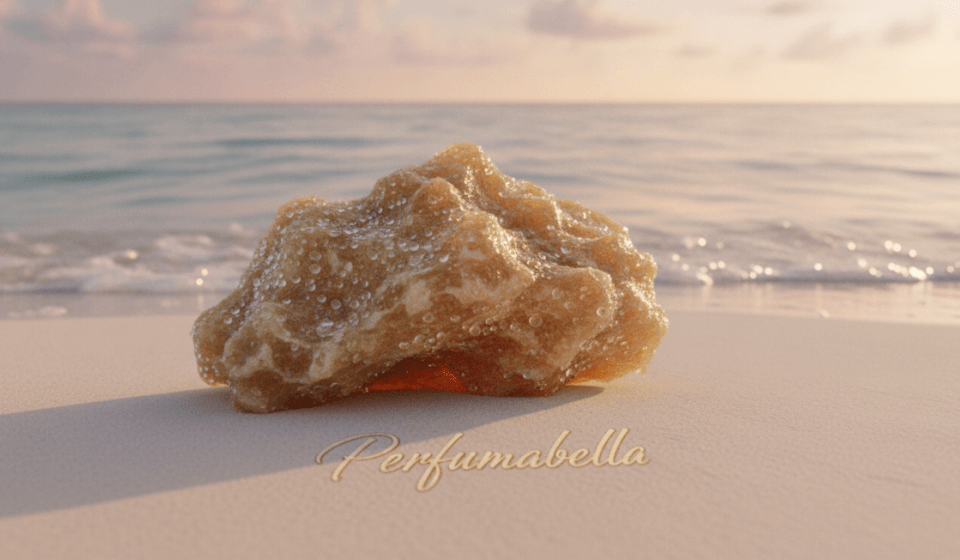
Deep beneath the ocean waves lies a treasure known as ambergris, often referred to as the gold of the sea. This rare substance, produced by sperm whales, has captivated perfumers for centuries. Its formation is a mysterious process that remains largely unknown.
Ambergris forms in the digestive system of sperm whales as a protective mechanism against sharp objects like squid beaks. While many believe it to be whale vomit, it is actually expelled naturally and floats on ocean currents for years before washing ashore. Remarkably, only about 1% of sperm whales produce this sought-after substance, making each discovery a potentially life-changing event for those who find it.
Origin and Formation in Sperm Whales
The origin of ambergris is both fascinating and elusive. It serves as a natural defense for sperm whales, allowing them to pass harmful objects without injury. Over time, the expelled ambergris floats in the ocean, where it undergoes a transformation due to exposure to sunlight, saltwater, and air.
Price, Rarity, and Legal Considerations
Today, ambergris commands astronomical prices, ranging from $10,000 to $27,000 per pound, depending on its quality and age. In 2021, a remarkable find near Yemen yielded a 127 kg piece valued at $1.5 million. However, the legal landscape surrounding ambergris is complex. While CITES classifies it as a natural waste product, countries like the United States, Australia, and India have banned its trade.
The Unique Scent Profile and Fixative Properties
Mature ambergris develops a unique scent profile that transforms from an unpleasant marine odor to a sweet, earthy aroma with warm, musky undertones. This complexity makes it highly prized in perfumery. Its fixative properties, attributed to the compound ambrein, allow fragrances to last longer on the skin and enhance the projection of other scent notes.
Due to ethical concerns and legal restrictions, modern perfumery often relies on synthetic alternatives like Ambroxan. While these alternatives mimic some qualities of natural ambergris, they cannot fully replicate its rich aroma. As conservationists advocate for the protection of sperm whales, the collection of ambergris remains a topic of ethical debate.
Oud (Agarwood): The Liquid Gold of Perfume
Oud, often referred to as liquid gold, holds a prestigious place in the world of perfumery. This luxurious ingredient is derived from the eaglewood tree, scientifically known as Aquilaria. When this tree becomes infected by a specific fungus, it triggers a fascinating biological process that leads to the formation of a dark, aromatic resin.
Only about 2-10% of wild Aquilaria trees develop this infection naturally. Furthermore, the tree requires 8 to 12 years of infection to produce quality agarwood suitable for oil extraction. This extraordinary rarity significantly contributes to oud’s high value.
The Infected Tree and Resin Formation
The process begins when the healthy tree encounters a particular type of mold. This infection prompts the tree to create a protective resin, resulting in the formation of the precious heartwood. Unfortunately, the conservation status of wild Aquilaria trees is alarming. The International Union for Conservation of Nature reports an 80% decline in wild populations over the last century due to overharvesting and habitat loss.
Extraction Techniques and Geographical Sources
Obtaining pure oud oil involves painstaking extraction techniques. Traditional methods include water distillation, where agarwood chips are soaked for days before boiling. Modern steam distillation is also used, but it yields incredibly small quantities—sometimes as little as 12 ml of oil from 20 kg of wood.
The finest oud is sourced from Southeast Asian countries, including Indonesia, Malaysia, Vietnam, Cambodia, and Thailand. Each region produces oud with distinct aromatic characteristics, contributing to its allure.
Oud’s Complex Aroma and Cultural Significance
Oud’s aroma is multifaceted, ranging from warm, smoky, and woody to animalic and slightly sweet notes. This complexity evolves beautifully on the skin, with regional variations adding musty, nutty, or softer sweet dimensions. In Arab cultures, oud has been revered for centuries as a symbol of purity, hospitality, and wealth. It is often used in personal fragrances and religious ceremonies.
The price of high-quality oud oil can reach up to $134,000 per kilogram, making it one of the most expensive perfume ingredients in the world. This staggering cost has earned it the nickname “liquid gold.” As sustainability becomes increasingly important, many countries are establishing agarwood plantations where trees are artificially inoculated to produce oud in controlled settings. While synthetic alternatives exist, they often lack the depth and complexity of natural oud.
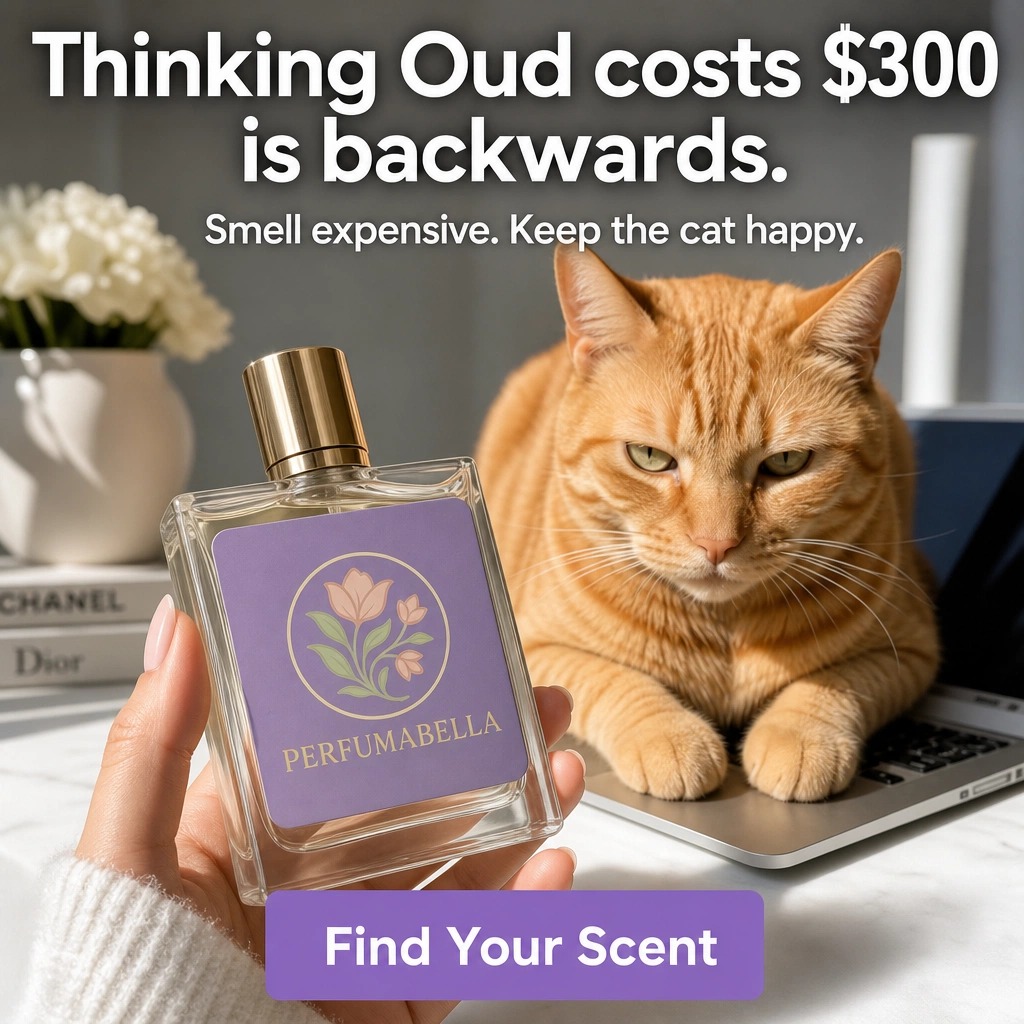
Oud-based perfumes tend to be quite pricey, a fact even my cat seems to disapprove of regarding my recent acquisition. This high cost can be attributed to the fragrance notes involved. Oud, a rare and sought-after ingredient derived from the agarwood tree, is known for its deep, complex aroma. The labor-intensive process of harvesting and producing oud contributes significantly to the overall expense of these luxurious scents. As a result, the investment in oud perfumes reflects not only the quality of the fragrance notes but also the exclusivity of the materials used.

Bulgarian Rose & Jasmine: Floral Royalty in Perfumery
In the realm of luxury perfumery, few ingredients evoke the allure of roses and jasmine. These two flowers are not only cherished for their beauty but also for their profound impact on the scent profiles of high-end fragrances. Their delicate nature and the intricate processes involved in their harvesting and extraction contribute to their esteemed status in the perfume world.
Bulgarian Rose – Harvesting and Cost
The Bulgarian Rose Valley is a sight to behold during the brief May to June harvest season. Thousands of workers, predominantly women, hand-pick delicate Rosa Damascena petals in the pre-dawn darkness. This meticulous timing captures the highest concentration of fragrant oil.
To produce just one pound of precious rose damascene oil, around 10,000 pounds of petals are required. This staggering yield ratio highlights the preciousness of Bulgarian rose oil. Approximately 3,000 to 4,000 kilograms of petals—about 1.5 million individual blossoms—are needed for a single kilogram of pure rose oil.
The exquisite scent profile of Bulgarian rose absolute is characterized by a deep, sweet, intensely floral aroma with subtle honey undertones. This richness comes from over 400 chemical constituents working in harmony. Due to the labor-intensive harvesting process, high-quality Bulgarian rose oil commands prices between $ 8,500 and $ 9,000 per kilogram. This significant investment is sought after by luxury fragrance houses like Tom Ford and Chanel.
Jasmine Essential Oil – Fragility and Extraction Challenges
Transitioning to jasmine essential oil, this flower is often referred to as the “Queen of the Night” in perfumery. Its blooms release their most potent fragrance after dark, making it essential to hand-pick them before sunrise. This careful timing preserves the delicate aromatic compounds that define jasmine’s allure.
Jasmine blossoms are extremely fragile, demanding special care during harvesting. Approximately 8 million hand-picked flowers—roughly 1,000 kilograms—are required to yield just one kilogram of jasmine absolute through solvent extraction. The prohibitive cost of this oil can reach up to $5,000 per kilogram, leading many perfumers to rely on synthetic alternatives.
Ethical concerns surrounding jasmine production are significant, especially in Egypt, where half the world’s supply is harvested. Reports of child labor in jasmine fields have prompted industry-wide discussions about sustainable and ethical sourcing practices.
How These Floral Notes Blend in Luxury Perfumes
Both Bulgarian rose and jasmine serve as heart notes in luxury perfume compositions. They blend seamlessly with complementary ingredients like sandalwood, patchouli, and various citrus notes, creating sophisticated, multi-dimensional fragrances. Despite the availability of synthetic alternatives—used in over 80% of women’s fragrances—natural jasmine absolute remains irreplaceable for its unparalleled depth, sensuality, and complexity.
Orris Root Essential Oil: The Hidden Gem of Perfumery
Beneath the surface of the iris flower lies a hidden treasure that captivates the world of perfumery. Orris root, derived from the dried rhizomes of the iris plant, is a rare and expensive ingredient that requires immense patience and skill to produce.
Patience and Aging Process Behind Orris
The journey of orris root begins after the iris plant blooms. The rhizomes must remain underground for three years. This time allows them to develop their unique properties. Once harvested, workers clean and hand-peel the rhizomes. They then age them for an additional three years. This six-year process is crucial for the formation of aromatic compounds known as irones.
Scent Characteristics and Its Role as a Fixative
The scent of orris root essential oil is captivating. It combines powdery softness with earthy depth and buttery richness. The delicate violet flower undertones add a unique charm. This complexity makes orris root highly valued in luxury perfumes. Not only does it serve as a beautiful standalone note, but it also acts as a fixative. This means it helps other fragrance components last longer on the skin.
Why Orris Root Commands Such a High Price
The cost of orris root products is staggering. High-quality orris butter can exceed $67,000 per kilogram. Rare orris absolute, which contains 80% irones, can command prices over $100,000 per kilogram. This high price is largely due to the low yield. Approximately 500 kilograms of dried rhizomes produce just one kilogram of orris butter—only a 0.2% yield. Furthermore, it takes one ton of iris bulbs to produce just four pounds of essential oil.
Despite its high cost, orris root remains indispensable in luxury perfumery. Its ability to impart elegance and refinement is unmatched by synthetic alternatives. Various forms of orris root are available to perfumers, including orris butter, resinoid, tincture, and absolute. Each form offers different aromatic profiles and applications in fine fragrance creation.
Saffron and Musk: The Spicy Treasure and Animalic Depth
In the world of luxury perfumery, few ingredients shine as brightly as saffron and musk. Each of these components carries a rich history and distinct qualities that elevate fragrances to new heights.
Saffron’s Harvesting Complexity and Fragrance Profile
Saffron, often referred to as “red gold,” has a fascinating history that dates back to ancient Greece around 1500 BC. The delicate stigmas of the Crocus sativus flower are hand-picked before sunrise, ensuring the highest quality. Each flower produces only three red stigmas, making saffron one of the most labor-intensive agricultural products on Earth.
To yield just one kilogram of saffron, producers need to harvest between 150,000 to 200,000 flowers. This staggering requirement highlights the astronomical value of saffron, with prices reaching up to $40,000 per kilogram for premium varieties.
The fragrance profile of saffron is unique, characterized by warm, leathery, and bittersweet notes. Key compounds like safranal and picrocrocin contribute to its sweet yet earthy aroma. In luxury perfumes, saffron blends beautifully with vanilla, sandalwood, patchouli, and rose, creating sophisticated compositions.
The History and Ethical Concerns Around Natural Musk
Musk has a controversial past, traditionally obtained from the glands of male musk deer native to Nepal. Unfortunately, this process requires killing three to five deer for each musk pod, leading to severe ethical and conservation concerns. During the 1980s and 1990s, tens of thousands of wild musk deer were lost due to poaching, prompting international hunting and trade bans.
The natural musk scent is warm, woody, and distinctly animalic, with powdery softness and subtle sweetness. Its ability to fix other fragrance components has made it a staple in perfumery for centuries. However, the ethical implications surrounding its sourcing cannot be overlooked.
Modern Synthetic Alternatives in Luxury Fragrances
Today, modern perfumery has shifted towards synthetic alternatives like muscenone and galaxolide. These synthetic musks, while expensive to produce, offer ethical and sustainable options that replicate the enveloping warmth of natural musk without harming endangered species. This transition allows perfumers to maintain the depth and sensuality that musk brings to fragrances while adhering to ethical standards.
In conclusion, both saffron and musk exemplify the intricate balance between luxury and ethics in the world of perfumery. Their unique characteristics not only enhance fragrances but also challenge us to consider the impact of our choices in the realm of high-end scents.
Neroli, Frankincense & Nagarmotha Oil: Rare and Precious Ingredients
In the realm of high-end perfumery, certain ingredients stand out for their rarity and exceptional qualities. Among these are neroli, frankincense, and nagarmotha oil, each bringing unique attributes to the world of luxury fragrances.
Neroli’s Fresh, Green Citrus Aromatics and Harvesting
Neroli essential oil is extracted from the delicate white blossoms of the bitter orange tree (Citrus aurantium). This oil is prized for its fresh, green scent, complemented by subtle aromatic tea undertones. The harvesting process is labor-intensive, requiring approximately 1,000 kilograms of hand-picked blooms to produce just one kilogram of essential oil.
The ideal harvesting period occurs between April and early May. Farmers must exhibit extraordinary patience, as they wait at least five years for the trees to produce pickable blooms. Additionally, it takes another five years for the trees to reach full maturity. This decade-long investment underscores the value of neroli oil, which can cost around €6,000 per kilogram.
Rich in organic compounds such as linalool, limonene, linalyl acetate, and alpha terpinol, neroli oil’s complex profile justifies its high price. Its refreshing scent makes it a favored head note in fine fragrance formulations.
Frankincense’s Ancient Legacy and Collection Method
Frankincense boasts an ancient legacy that dates back over 6,000 years. Once worth its weight in gold, this highly coveted ingredient was instrumental in establishing ancient trade routes. True frankincense is derived from a select few species of Boswellia trees.
The meticulous collection method involves workers cutting the outer bark with sharp metal knives, allowing the resin to bleed out. After several weeks, they return to collect the hardened resin “tears,” sorting them by grade. Today, frankincense can cost as much as $6,000 per liter.
In modern perfumery, frankincense serves as a base note, providing soft, smooth, and earthy dry downs. It is often combined with floral head notes to create sophisticated fragrances that evoke a sense of ancient mystique.
Nagarmotha Oil: The Understated Depth in Niche Perfumery
Nagarmotha oil, extracted from the roots of the Indian cyperus plant, offers an earthy, woody aroma with a slightly smoky depth. This oil is reminiscent of vetiver but possesses a distinctive character of its own. Though less well-known, nagarmotha is increasingly valued in niche perfumery.
Steam-distilled, nagarmotha oil provides grounding and character in fragrances with oriental or earthy profiles. Its versatility allows it to play a significant role in modern compositions. Historically, it has also been significant in Ayurvedic medicine, further enhancing its appeal as a contemporary ingredient in bold, unconventional perfume creations.
Conclusion
The journey of luxury perfumes begins with the remarkable ingredients that shape their essence. Each component, from ocean-borne ambergris to hand-picked Bulgarian roses, carries a unique story of origin and craftsmanship. What makes a scent truly exclusive is not just its price tag but the intricate processes and the skilled hands behind the harvest.
These natural ingredients represent emotion, memory, and cultural identity captured in a bottle. A single drop can evoke entire worlds of sensory experience. Today, the landscape of perfumery is evolving, with ethical considerations driving the development of synthetic alternatives.
Despite these advances, master perfumers continue to seek authentic ingredients for their irreplaceable complexity. As you explore your next perfume purchase, appreciate the artistry and patience involved in creating these exquisite scents. The world of luxury perfumes remains a fascinating intersection of nature, science, art, and tradition.
FAQ
What drives the high cost of luxury fragrance ingredients?
The high cost is primarily driven by the rarity of the ingredients, the labor-intensive harvesting processes, and the meticulous extraction methods required to capture their unique scents.
How is ambergris formed in sperm whales?
Ambergris is a substance produced in the intestines of sperm whales, formed over years as a protective mechanism against sharp objects that the whale ingests. It eventually floats to the ocean’s surface, where it can be collected.
What makes oud so valuable in perfumery?
Oud is derived from the resin of infected agarwood trees, which are rare and difficult to cultivate. The extraction process is complex, and the resulting aroma is rich and multifaceted, making it highly sought after.
Why is Bulgarian rose oil considered a luxury ingredient?
Bulgarian rose oil is harvested from a specific variety of roses and requires thousands of petals to produce just a small amount of oil. The delicate process and limited growing regions contribute to its high price.
What challenges are associated with extracting jasmine essential oil?
Jasmine flowers must be picked at dawn to capture their full scent, making the process labor-intensive. The fragility of the flowers and the low yield of oil further complicate extraction and increase costs.
What is orris root, and why is it so prized?
Orris root comes from the iris plant and requires years of aging to develop its full scent profile. Its role as a fixative in perfumes and the lengthy production process contribute to its high market value.
How is saffron harvested, and what is its fragrance profile?
Saffron is harvested from the stigma of crocus flowers, requiring meticulous hand-picking. Its unique, earthy aroma and the labor-intensive process make it one of the most valuable spices in the world.
What ethical concerns surround natural musk?
Natural musk is traditionally obtained from the glands of musk deer, raising ethical issues regarding animal welfare. This has led to increased interest in synthetic alternatives that mimic the scent without harming animals.
What are the characteristics of neroli oil?
Neroli oil, derived from orange blossoms, has a fresh, green citrus aroma. Its delicate extraction process and the limited availability of the blossoms make it a cherished ingredient in luxury fragrances.
How is frankincense collected, and what is its historical significance?
Frankincense is harvested from the resin of Boswellia trees, often through a traditional method of making incisions in the bark. It has been valued for centuries for its aromatic properties and cultural significance in various traditions.
What role does nagarmotha oil play in niche perfumery?
Nagarmotha oil, extracted from the roots of the cyperus plant, offers a unique, earthy depth to fragrances. Its rarity and distinct aroma make it a prized ingredient in the world of niche perfumery.