
What Make Scents Unique
Imagine walking through a vibrant garden, where the air is filled with the sweet scent of blooming flowers. Each whiff tells a story, a memory wrapped in the delicate layers of a perfume. Yet, some scents are more than just pleasant aromas; they hold a world of luxury and rarity within their essence.
Have you ever wondered why certain perfumes command such extraordinary prices? The answer lies in the most rare fragrance ingredients that define these unique scents. These precious components are not merely found in nature; they are carefully sourced and extracted, often requiring labor-intensive processes that honor their origin.
From the enchanting notes of Bulgarian rose to the deep richness of oud, these ingredients transform an ordinary scent into an unforgettable experience. Renowned perfumers travel the globe, seeking the finest materials to craft their masterpieces. This guide will explore the artistry behind these luxurious perfumes, revealing the secrets that make them truly exceptional.

Key Takeaways
- Luxury perfumes are defined by their unique and rare ingredients.
- Master perfumers seek exceptional materials worldwide.
- The extraction process for these ingredients is often labor-intensive.
- Understanding these elements enhances appreciation for perfumes.
- Each ingredient contributes to a scent’s overall character and story.
Understanding the Most Rare Fragrance Ingredients
When exploring perfumes, understanding rarity unveils a complex narrative of scarcity and effort. In the context of perfumery, rarity is not just about how limited an ingredient is. It also involves the extraordinary work required to harvest and process it into a usable form.
Some materials are rare because they originate from specific regions with unique climates. For instance, the Bulgarian Rose Valley is known for its exquisite roses, while the dense forests of Assam yield exceptional agarwood. Others, like ambergris, are scarce due to biological factors; only about 1% of sperm whales produce this sought-after substance.
Labor-intensive harvesting methods further contribute to an ingredient’s rarity. Imagine hand-picking thousands of flower petals at dawn or waiting decades for resin to form in agarwood trees. Such efforts significantly impact the ultimate cost and value of these materials.
Why do fragrance enthusiasts seek out these rare ingredients? The answer lies in their exclusivity and the rich stories they tell. These materials elevate a perfume from a mere commodity to a work of art, offering sensory complexity that captivates the wearer.
The psychological and emotional impact of rare ingredients on scent quality is profound. Their unique molecular profiles create depth and longevity, crafting an unmistakable signature that synthetic alternatives often fail to replicate. The pursuit of these materials connects wearers to ancient traditions and the raw beauty of nature.
Master perfumers view rare materials as essential tools. They allow for the creation of fragrances with character and soul, enabling compositions that evolve beautifully on the skin over time. Understanding rarity not only informs consumer choices but also deepens appreciation for the artistry behind every bottle of fine perfume.
The Role of Rarity and Sourcing in Luxury Perfumes
In the world of luxury perfumes, the journey from raw material to exquisite scent is both intricate and demanding. Scarcity plays a pivotal role in shaping the value of perfume ingredients. Many sought-after materials, such as orris root, require extensive maturation, sometimes taking up to six years. This long process makes it one of the most expensive components in the perfume industry.
Labor-intensive harvesting practices further contribute to the high cost of these luxury ingredients. Take saffron, for instance. Each Crocus sativus flower produces only three tiny stigmas, which must be handpicked before dawn during a brief autumn season. Approximately 150,000 flowers are needed to yield just one kilogram of this precious spice.
Geographical limitations also restrict the availability of certain materials. The unique acidic red soil of Assam is essential for oud formation, while the monsoon-fed Dhofar region of Oman is renowned for producing the highest grade of frankincense. These specific conditions are crucial for the growth and quality of these ingredients.
Biological constraints further complicate the sourcing of perfume materials. For example, agar trees only produce oud resin when infected by a specific fungus, a process that can take decades to yield usable heartwood. This intricate relationship between nature and perfume creation highlights the delicate balance that exists in sourcing.
Ethical and legal considerations also play a significant role in ingredient procurement. Modern perfumery has largely moved away from animal-derived materials, such as natural civet and musk, due to growing animal welfare concerns. Instead, synthetic alternatives like Ambretone have gained popularity.
International regulations, such as CITES, help protect endangered species while allowing for sustainable trade in certain naturally excreted materials. For instance, ambergris, which is classified as waste, can be traded in countries like the United Kingdom and France, but is banned in others like the United States and Australia.
The intersection of scarcity, labor, geography, and ethics creates a complex sourcing landscape. This intricate web ultimately defines the allure and value of luxury perfumes, making each bottle a testament to the artistry and effort behind its creation.

Animal-Derived Ingredients: Ambergris, Civet, and Musk
In the realm of perfumery, animal-derived components have a storied history that captivates both artisans and enthusiasts. These ingredients are not just rare; they carry with them a legacy of luxury and complexity. Among these, ambergris, civet, and musk stand out for their unique contributions to the art of scent creation.
Ambergris: Ocean’s Floating Gold
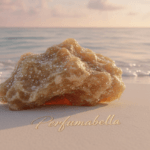
Ambergris, often referred to as “floating gold,” is one of the most legendary and expensive perfume materials in the world. This waxy substance forms inside the digestive system of sperm whales as a defense mechanism against indigestible squid beaks. Remarkably, only about 1% of the whale population ever produces ambergris.
When freshly expelled, ambergris has a potent fecal odor and is nearly worthless. However, its true transformation occurs over 20 to 50 years while drifting in the ocean. Exposure to sunlight and saltwater oxidizes ambrein into ambroxide and ambrinol, creating a signature scent profile that is sweet, earthy, and reminiscent of marine, tobacco, and sandalwood notes. These qualities make ambergris a prized base note and fixative in perfumes.
The real-world value of ambergris is astonishing. In June 2021, fishermen in the Gulf of Aden discovered a 280-pound lump valued at approximately $1.5 million. Authenticated grey ambergris typically commands between €10,000 to €30,000 per kilogram, while rarer white ambergris can fetch over €2,000 per gram.
Civet: The Complex Animalic Note
Civet has intrigued perfumers for over a thousand years, with its use first documented by the 10th-century historian al-Masudi. African civets produce only 3 to 4 grams of secretion per week, yielding a potent animalic aroma. In its raw form, civet has a strong scent, but when diluted to 10-20%, it transforms into a rich, musky, and slightly floral note.
Despite its historical significance, ethical concerns surrounding natural civet harvesting from captive animals have led to a modern shift toward synthetic alternatives like Ambretone. These alternatives mimic the scent while avoiding animal welfare issues, ensuring that the artistry of perfumery continues without compromising ethics.
Musk: From Nature to Ethical Alternatives
Natural musk, derived from musk deer, has long been celebrated for its unparalleled warmth and sensuality as a base note. However, overhunting has severely threatened musk deer populations, prompting the development of ethical synthetic musks that now dominate the fragrance industry.
These synthetic alternatives offer a cruelty-free way to capture the essence of musk without harming animals. The evolution of these materials reflects a growing awareness in the industry, balancing tradition with modern ethical considerations.
Despite their controversial past, animal-derived ingredients like ambergris, civet, and musk have shaped the art of perfumery. They continue to inspire modern formulations through sustainable and cruelty-free innovations.

Floral and Botanical Wonders: Bulgarian Rose, Jasmine, Neroli, and Saffron
The world of perfume is a tapestry woven with the vibrant hues and scents of exquisite flowers. Among these floral wonders, the Bulgarian rose, jasmine, neroli, and saffron stand out as symbols of luxury and rarity in the realm of perfumery.
Bulgarian Rose: The Quintessence of Floral Luxury
For over three centuries, the Bulgarian Rose Valley has produced the world’s finest rose oil. This exquisite oil is derived during a fleeting harvest season from May to June. It takes an astonishing 10,000 pounds of hand-picked petals to steam distill just one pound of precious rose damascene oil. The value of this oil can exceed $230 for just 1/8 of an ounce.
The harvest process is painstaking. Women workers cut each flower carefully before sunrise, placing them in willow baskets. They rush to the distillery to preserve the delicate sugary, rosy floral fragrance tinged with exotic spice. This scent serves as a heart note in superior perfumes.
Jasmine Essential Oil: Exotic and Seductive
Jasmine essential oil is celebrated as an exotic and seductive aphrodisiac across many cultures. Producing one pound of this absolute requires approximately 2,000 pounds of jasmine flowers. In fact, around 8,000 individual blooms yield just 1/25 ounce of oil, with costs reaching up to $5,000 per kilo.
Due to jasmine’s fragility, the flowers must be placed in special protective baskets to prevent bruising. Unlike Bulgarian rose, jasmine cannot be successfully steam distilled without a solvent, making the extraction process even more complex and concentrated.
Neroli Essential Oil: Freshness from Citrus Blooms
Neroli essential oil is a fairly unknown yet extremely precious ingredient. It is extracted from the blooms of the bitter orange tree, grown commercially in Egypt, Morocco, and Tunisia. This oil is prized as a head note for its green, fresh scent with a hint of deeply aromatic tea.
Extraordinary patience is required for neroli production. Farmers must wait five years for trees to bloom and another five for full maturity. A staggering 1,000 kilograms of hand-picked blossoms yield just a single kilo of oil, priced at approximately $6,000.
Saffron: The Red Gold of Perfumes
Saffron, known as red gold, is another floral wonder. Each Crocus sativus flower produces only three tiny stigmas that must be handpicked before dawn during a short autumn harvest. About 150,000 flowers are needed for one kilogram, driving its price above $11,000 per pound, making it more valuable than gold by weight.
This warm, leathery, honeyed, and slightly metallic scent seamlessly connects floral and woody elements in luxury fragrance compositions.
Precious Resins and Woods: Oud, Frankincense, Labdanum, Sandalwood, and Orris Root
Luxury scents often draw from the deep, aromatic profiles of rare woods and resins, creating a sensory journey. These materials form the backbone of many high-end perfumes, providing depth and character. Let’s explore the unique qualities of oud, frankincense, labdanum, sandalwood, and orris root.
Oud: The Prized Wood of the Middle East
Oud, often referred to as liquid gold, is a treasured resin that develops when a specific fungal infection attacks the heartwood of Aquilaria trees. This phenomenon occurs in just one out of every ten agar trees found in the dense forests of Southeast Asia, India, and Bangladesh. Wild Assam oud reveals five to seven distinct olfactory layers, ranging from bold animalic barnyard notes to rich creamy balsamic depths.
The traditional Degh-Bhapka distillation method preserves delicate volatile notes. This process involves soaking about 10 kilos of agar chips in water for a week before processing. The resulting oil requires another 6 to 10 years to fully mature, commanding prices of $5,000 per kilo or €597 for a mere 4ml of premium Oud Assafi.
Frankincense: Ancient Aromatic Resin
Frankincense has a rich history, dating back over 6,000 years. Once worth its weight in gold, true frankincense comes from a small number of the 500-plus Boswellia species. The highest grade is still produced in Oman’s Dhofar region, where monsoon rains create ideal conditions. Today, frankincense can cost as much as $6,000 per liter.
The laborious harvesting process involves cutting the outer bark with sharp metal knives. Workers wait weeks for resin tears to bleed out, then carefully sort and store them in cool caves. This results in a soft, smooth, and earthy base note that master perfumers often combine with floral head notes for splendid dry downs.
Labdanum: The Amber Accord Essential
Labdanum, sourced from Cistus creticus bushes on the island of Crete, is essential for creating amber accords. Artisans use wooden rakes fitted with leather straps to scrape resin during the peak of summer heat. Approximately 33 pounds of fresh plant material yields just 2.2 pounds of resin, with annual global production limited to 300-350 tonnes.
Sandalwood: Lingering Woody Warmth
Sandalwood trees require about 30 years for their heartwood to reach sufficient thickness. The fragrance of sandalwood is known for its ability to persist for decades. Currently, a kilogram is priced at $200, while red sandalwood logs can fetch between $3,000 to $6,000 per kilo.
Orris Root: The Hypnotic Earthy Base Note
Orris root is derived from dried and ground iris rhizomes that have been dormant in the ground for three years. Afterward, they are dried and aged for three more years. This process yields precious irones molecules. It takes one ton of iris plant bulbs to produce just four pounds of orris essential oil, valued at over €54,000 per kilogram. This makes it one of the most expensive perfume materials in the world, cherished since the time of 16th-century Italian noblewoman Catherine de’ Medici.
Let’s be honest — if dogs could talk, they’d probably say, “How about some bacon-scented cologne instead?” So the next time you feel guilt about splurging on that high-end fragrance, just remember: your dog is eternally loyal and completely uninterested in your shopping habits.

Challenges in Harvesting and Ethical Considerations
The process of obtaining rare perfume components is complex, involving time, care, and ethical dilemmas. The journey from raw materials to exquisite scents is not just about fragrance; it also requires immense patience and a commitment to sustainability. Adhering to natural ingredients has been an ongoing challenge.
Time and Patience in Ingredient Maturation
Many perfume ingredients demand significant time to mature. For instance, orris root requires six years from harvest to finished oil. Sandalwood trees take about three decades to develop usable heartwood. Wild oud needs decades for resin formation, followed by another 6 to 10 years of oil maturation.
These lengthy timelines create inherent scarcity, driving up the cost of these materials. Producers cannot quickly scale production to meet market demand, and any disruption in the supply chain can have lasting repercussions on ingredient availability.
Environmental Impact and Sustainability Efforts
The environmental impact of harvesting rare ingredients cannot be overlooked. Many agar trees are now considered threatened species due to overexploitation. Unsustainable practices have historically endangered sandalwood populations and musk deer, prompting urgent conservation measures.
Positive sustainability efforts are emerging, such as the practice of planting twenty new agar trees for every one harvested. Additionally, the shift toward cultivated sandalwood plantations helps reduce pressure on wild populations while maintaining quality.
Substitutes and Synthetic Alternatives
The growing role of substitutes and synthetic alternatives is shaping modern perfumery. For example, Ambroxan, synthesized from a naturally occurring molecule in the Clary sage plant, largely replaces natural ambergris. Synthetic jasmine is now used in over 80% of women’s fragrances, while synthetic oud has become a staple for houses like Alpha Aromatics.
However, even the best synthetic substitutes struggle to replicate the dynamic, evolving quality of genuine civet or the multi-layered complexity of wild Assam oud, which reveals five to seven distinct olfactory stages.
In conclusion, the future of rare perfume ingredients depends on balancing tradition with innovation. It is crucial to ensure that the artistry of natural materials endures while embracing ethical and sustainable practices that protect the world’s precious botanical and animal resources.
Incorporating Rare Ingredients Into Your Perfume Blends
Creating a captivating scent involves the careful selection and combination of diverse aromatic elements. Understanding how to balance these components can elevate your perfume-making skills. The foundation of any great perfume lies in the harmony of base, heart, and head notes.
Balancing Base, Heart, and Head Notes
In perfume composition, base notes like oud and sandalwood provide depth and longevity. Heart notes, such as Bulgarian rose and jasmine, deliver the fragrance’s core character. Bright head notes, including neroli or saffron, create the crucial first impression.
Leveraging Fixative Properties for Longevity
To enhance longevity, consider using ambergris, one of the most effective natural fixatives. It binds fragrance molecules to the skin, extending wear. Orris root is so potent that only a few drops are needed to exalt an entire composition. Oud’s dense character anchors other notes, preventing them from evaporating too quickly.
Pairing Rare Ingredients for Complex Scents
When pairing rare ingredients, creativity is key. For instance, combine the smoky warmth of oud with the honeyed leather of saffron for an opulent oriental blend. Layer the powdery violet nuances of orris root with the creamy woodiness of sandalwood for a sophisticated, lingering dry down.
Bulgarian rose is versatile, blending seamlessly with earthy patchouli, soothing lavender, and clean fresh lemon. It also complements intoxicating jasmine, peppery ginger, and warm clary sage, making it suitable for both masculine and feminine fragrances.
Start with small quantities when working with rare materials due to their potency and cost. Beginners might experiment with pre-diluted oils or synthetic versions before investing in precious natural absolutes. Patience is crucial; rare ingredients often reveal their full complexity over hours or even days on the skin. What smells promising in the bottle may evolve dramatically during the dry down.
View rare ingredients as storytellers within a scent. Each contributes a unique chapter that unfolds over time. Approach blending as both an art and a science, rewarding curiosity, experimentation, and a deep respect for the materials.
The Future of Rare Ingredients in Perfumery
As we look to the horizon of perfumery, the future of fragrance ingredients is evolving rapidly. Innovations in sustainable sourcing are reshaping how we approach the creation of scents. This shift not only benefits the environment but also enhances the quality and longevity of the materials used.
Innovation in Sustainable Sourcing
One significant development is the practice of planting twenty new agar trees for every one harvested. This ensures a sustainable supply of oud, which is vital for maintaining its unique qualities. Additionally, cultivated sandalwood plantations are emerging, helping to reduce pressure on wild populations.
Community-based harvesting programs are also gaining traction. These initiatives ensure that local populations benefit from the trade while protecting natural resources. This collaborative approach fosters a deeper connection between the communities and the ingredients they produce.
The Role of Synthetic Molecules
The evolving role of synthetic molecules in modern perfumery cannot be overlooked. For instance, Ambroxan, derived from the Clary sage plant, offers a cruelty-free alternative to ambergris. It captures the warm, leathery, and spicy character that fragrance enthusiasts adore.
Moreover, synthetic jasmine is now used in over 80% of women’s fragrances, providing a sustainable option without compromising on scent quality. Ambretone has largely replaced natural civet, allowing perfumers to create ethical scents that maintain complexity and depth.
Preserving Heritage Through Modern Techniques
While embracing innovation, it is crucial to preserve the cultural heritage embedded in rare materials. Traditional artisanal methods, such as the Degh-Bhapka distillation process for oud, continue to coexist with modern technologies. These techniques ensure the authenticity and purity of ingredients.
Biotechnology is also paving the way for the future. Scientists are exploring ways to produce rare fragrance molecules through fermentation and cellular agriculture. This could offer sustainable, scalable alternatives to wild-harvested ingredients without compromising on quality or olfactory complexity.
In conclusion, the fragrance industry is moving toward a future where rare ingredients are cherished not despite their scarcity but because of sustainable practices, ethical sourcing, and scientific ingenuity. This evolution allows perfume lovers to continue experiencing the world’s most extraordinary scents.
Conclusion
Delving into the realm of perfumery unveils a fascinating interplay of nature, artistry, and heritage. The rare materials discussed, such as ambergris, oud, and Bulgarian rose, each contribute unique olfactory signatures that define luxury perfumes. These elements are not just about exclusivity; they embody rich stories and traditions that create scents of unparalleled depth.
Every rare ingredient transforms a simple perfume into an invisible accessory, lingering in memory long after the wearer has departed. As you explore this world, consider seeking out fragrances that feature authentic components or experimenting with your own blends.
The future of these precious materials relies on conscious consumers who value sustainability and ethical sourcing. Each purchase supports the communities and ecosystems that produce these treasures. Embrace the journey of discovering rare scents, recognizing that each spritz connects you to ancient traditions and the beauty of nature.
FAQ
What are some of the most expensive perfume ingredients?
Some of the most costly materials include oud, ambergris, and Bulgarian rose oil. These ingredients are valued for their unique scents and the labor-intensive processes required for their extraction.
Why are certain ingredients considered rare?
Rarity can stem from scarcity, specific geographical locations, or biological limitations in sourcing. For example, oud comes from a specific type of tree that is not widely available.
How do rare ingredients affect the quality of a perfume?
Rare materials often enhance the overall scent profile, providing depth and complexity. They can also contribute to the longevity of the fragrance on the skin.
What ethical considerations should be taken into account when sourcing these ingredients?
Ethical sourcing involves ensuring that the harvesting methods do not harm the environment or the species involved. It is important to consider sustainability and the legal aspects of procurement.
How can I incorporate rare ingredients into my own perfume blends?
Start by balancing base, heart, and head notes. Use rare materials sparingly to create a complex and harmonious scent without overwhelming the blend.
Are there synthetic alternatives to rare ingredients?
Yes, many brands are now using synthetic molecules that mimic the scent of rare materials. These alternatives can provide similar olfactory experiences while being more sustainable.
What is the role of time in the maturation of perfume ingredients?
Many ingredients require significant time to mature and develop their full scent potential. This process can influence the final quality and complexity of the fragrance.
How does the environmental impact affect the availability of these ingredients?
Environmental factors, such as climate change and habitat destruction, can limit the availability of certain materials. Sustainable practices are essential to preserve these resources for the future.