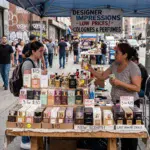

Storing perfume yourself means paying for inventory and finding space for every bottle; dropshipping perfumes lets a supplier ship each order instead. You can start a business without buying and storing stock upfront, while still choosing the products your customers see.
You take the customer’s order, and the dropshipping supplier fulfills it. A product feed is a supplier’s file or data connection that transfers product details and stock information into a store. Your results depend on product fit, supplier evidence, and delivery terms, not simply on adding listings.
The right account gives you a workable way to test demand without filling shelves first. You still need to make careful choices about what to list and what fulfillment promises you can support.
Key Takeaways
- Choose products for a clear customer and use.
- Check supplier documentation and fulfillment terms.
- Keep stock details and delivery estimates current.
- Test one product before expanding your catalog.
- Place a sample order before advertising.
You can follow a clear path from choosing a fulfillment model to placing a careful first test order.
What Does Dropshipping Perfumes Involve?
After a customer checks out, you submit the order to your dropshipping supplier, which sends the perfume directly to the customer. You handle the storefront and customer relationship, while the supplier fulfills each order without you buying inventory upfront.
You manage the storefront and customer relationship; the supplier fulfills each order without you buying inventory upfront.
You choose products, create accurate listings, collect payment, and submit order details. The supplier packs and ships the product, then provides tracking information for you to share with the customer.
From a Store Listing to a Delivered Order
A clear listing shows the product name, size, scent description, package contents, and delivery estimate. Use images that match the actual product and packaging, not a similar fragrance from the same brand.
A product feed can reduce manual listing work by transferring product details and stock information. Check its fields, update timing, and accuracy before products go live. A feed may not update every detail at the same time.
When the supplier sends tracking, pass it along promptly and keep the customer informed about delays. You remain responsible for answering questions, even when another company packs the order.
Custom and White-Label Options
Reselling an existing brand means listing a supplier’s ready-made perfume under its established brand. Custom perfume dropshipping and white-label perfume dropshipping are different: they depend on a supplier that explicitly supports custom formulation or branding.
Do not assume a supplier can put your label on a bottle or create a new fragrance. Ask what design, formula, minimum order, and packaging services its program actually includes.
Dropshipping beauty products can widen your store’s offer, but perfume needs separate shipping checks. Oils, sprays, and sampler sets also differ in packaging and fulfillment needs, so confirm each format with the supplier before listing it.
Before trusting a catalog or a fulfillment promise, ask for evidence about the product, stock updates, and the route to your customer.
How to Choose a Perfume Dropshipping Supplier
A catalog with thousands of fragrances can still be a poor fit if the supplier cannot ship to your customers. For a U.S. retailer, destination-specific terms and fulfillment evidence matter as much as catalog size.
Supplier options include direct programs and directories or marketplaces that introduce wholesale leads. A directory is not necessarily the company that stores or ships the product. Identify the actual company fulfilling each order and assess its terms directly.
Programs, Direct Suppliers, and Wholesale Leads
A direct program may give you a dropshipping account with access to its catalog, feed, and order process. A directory or marketplace may list B2B perfumes and dropshipping suppliers for beauty products, but you still need to check each supplier’s role.
Perfume Box carries thousands of brand-name fragrances. Its U.S. shipping starts at $5.95, plus $1 for each additional item. Average dispatch is 24-48 business hours, and most orders arrive in 4-7 business days.
| Supplier | Catalog | Shipping coverage | Dispatch and service | Packaging |
|---|---|---|---|---|
| Perfume Box | Thousands of brand-name fragrances | U.S. orders; trackable carriers | 24-48 business-hour average dispatch; most arrive in 4-7 business days; daily inventory updates; feed on request | Company name absent from shipping carton |
| Beautinow | Over 2,000 perfumes from more than 200 brands | Europe and the UK; warehouse in the Netherlands | Ships same day for orders before 15:00 GMT+1; feed available; support replies within one working day | Generic boxes |
Perfume Box provides tracking numbers for U.S. orders, updates inventory daily, and offers a product feed on request. Returns are accepted, with full terms supplied after registration. Orders cannot be canceled or modified after submission.
Compare U.S. and European Fulfillment
Beautinow distributes existing brands rather than private-label perfume. Its stated delivery area is Europe and the UK, so U.S. sellers need to confirm destination eligibility before relying on its service.
The table describes stated service details, not a promise that prices, stock, destinations, or terms will stay unchanged. Request current wholesale terms, product and brand documentation, feed fields, sample details, return responsibility, and destination-specific shipping terms before opening a dropshipping account.
Compare the supplier’s price with its shipping and service terms, then check stock, shipping routes, and customer-facing promises before listing anything.
How to Manage Perfume Listings and Fulfillment
A listing can show an item as available after the supplier’s inventory has already changed. That gap can lead to a canceled order, so keep product details, stock, and delivery promises aligned with current supplier information.

Check the product name, formula, size, images, package contents, and label against the supplier’s current details. A stock perfume listing should not suggest real-time availability unless the feed supports that level of updating.
Keep Product Details and Stock Accurate
Set a routine for checking the feed as often as the supplier’s inventory changes. If a product is unavailable, pause its listing or show accurate availability rather than accepting orders you cannot fulfill.
Confirm that tracking will be shared and decide who handles a damaged package or a missing item. Agree with the supplier on who contacts the customer when stock runs out, and keep your own customer messages clear and timely.
Confirm Shipping, Returns, and Compliance
Perfume containing alcohol may face carrier and transport restrictions. Do not assume every perfume can ship by air or that one carrier’s rules apply to every route.
Check acceptance for the exact formula, package, carrier service, and destination. USPS Publication 52 organizes mailing information by material and alcohol content, package type, and transport mode.
Before a listing goes live, confirm these five details:
- Match the exact product and formula.
- Confirm current stock and feed timing.
- Get carrier service and destination confirmation.
- Inspect packaging and tracking arrangements.
- Record return, cancellation, and customer-refund responsibilities.
U.S. business registration and tax obligations can depend on your state and locality. Check the appropriate state and local authorities for your circumstances, including the role your business plays in selling the product.
A listing is ready only when its product details match the fulfillment promise. Use that standard to prepare a controlled first launch.
What to Do Before Your First Sale
Choose one product to test instead of uploading an entire supplier catalog. A small, measured launch lets you judge the product and service before committing more time or advertising money.
Test one product first, then expand only when its product details and fulfillment performance meet your standards.

Pick a customer you understand and a product format that suits that audience. A sampler set may serve a different shopping purpose than a full-size spray or perfume oil.
- Choose a customer and product format that fit your store.
- Request account terms and current product data from the supplier.
- Order and inspect a sample, then calculate the full order cost.
- Publish a small test and monitor delivery, damage, returns, and stock.
Use a storefront platform that supports clear product pages and order tracking. Write descriptions that match the fragrance and package, and use images that show the actual product customers will receive.
Before you set a price, include the wholesale product cost, shipping, payment and platform fees, and duties where applicable. Set aside a reserve for refunds or replacements. The total varies with supplier pricing, route, fees, and the order’s contents.
Try marketing the product to a defined audience, such as customers already interested in gift sets or fragrance discovery. A scent cannot guarantee a purchase, so judge interest through real customer response rather than a sales claim.
Set a spending limit and an order limit before promoting the listing. Decide how much delivery delay, stock trouble, or customer feedback you can accept, then pause promotion if those limits are exceeded.
During the test, watch the time between checkout and dispatch, the accuracy of tracking, and whether the sample matches the listing. Record customer questions and complaints. Those details can show where a product page or supplier promise needs attention.
Contact a shortlisted supplier for U.S. terms and product documentation, then place a sample order before advertising.
Conclusion
A careful, documented first test is a stronger start than a large, unverified catalog. A reliable offer needs a documented product, a confirmed shipping route, and clear responsibility for returns.
Choose one candidate that fits your intended customer and ask the supplier for its current U.S. terms and sample details. Check that the product and package match the information you plan to publish, and understand who handles a return or delivery problem.
Your next step is simple: request the supplier’s terms and arrange a sample before publishing your first listing.
FAQ
What products to sell on dropshipping?
Do I need a license to sell perfume?
What scent makes people want to buy?
How much does perfume dropshipping cost?
How often should I update perfume inventory?
How do I verify a perfume dropshipping supplier?